



The recent Ezzalzouli Ceuta controversy has once again shown how sensitive questions of borders and patriotism remain in Morocco, far beyond a simple football argument.
Ezzalzouli Ceuta controversy: what to know
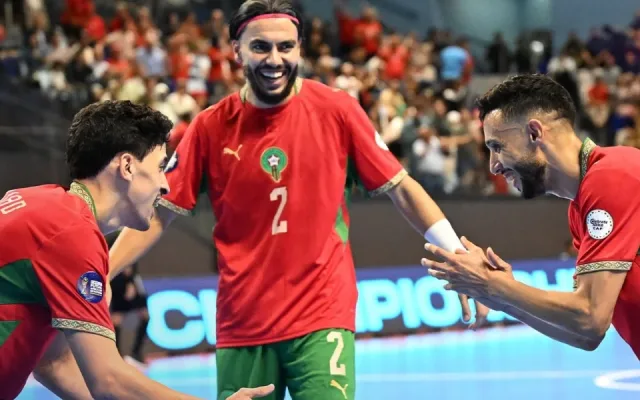
The dispute started with comments attributed to Moroccan international Abde Ezzalzouli about the city of Ceuta. These remarks, quickly picked up and shared on social networks, triggered heated reactions, from criticism and calls for calm to passionate debates on players’ role in national issues.
For many fans, both in Morocco and among Moroccans settled abroad, the national jersey is a powerful symbol. Every word from an international player is scrutinised, especially when it touches on sensitive topics such as Ceuta and Melilla.
Abdellatif Ouahbi’s response at the centre of attention
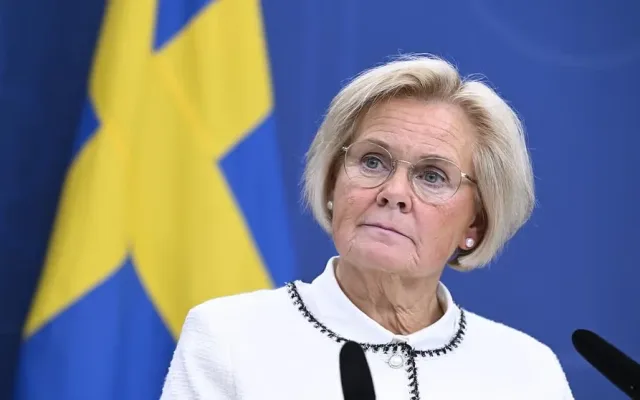
Asked about the Ezzalzouli Ceuta controversy, Justice Minister Abdellatif Ouahbi responded by recalling how sensitive questions linked to Morocco’s territorial integrity are. He stressed the weight of words, particularly when they come from public figures or high-profile athletes.
His comments were not only about this one player. They addressed a broader issue: how public debate is expressed today, between freedom of speech, personal responsibility and respect for national fundamentals.
The underlying message is clear: statements relating to Ceuta, Melilla or the Sahara do not have the same impact as other topics and are still seen as red lines by part of public opinion.
Why this matters for Moroccans living abroad
For Moroccans living outside the country, this episode is a reminder that discussions about Moroccan territory, even when held abroad, can quickly take on a political and emotional dimension.
In European stadiums, community organisations or online, many young dual nationals support both their club side and the Moroccan national team. They sometimes become, unintentionally, amplifiers of these rows when they share or comment on viral clips.
In practical terms, this sequence highlights three realities:
- public and sports figures are expected to be careful when speaking about Morocco;
- issues touching on borders remain particularly sensitive;
- the line between fan debates and political debates is increasingly blurred.
Between free expression and responsibility
The way Abdellatif Ouahbi reacted fits a broader trend in Morocco: public debate is increasingly instantaneous, driven by social media, where one sentence taken out of context can unleash a wave of outrage or support.
For Moroccans returning for holidays or planning to move back, this affair is a reminder of how charged certain topics can be in the local public space, especially when they relate to territory, the flag or the national team.
Football remains a space of shared pride and unity. But once territorial questions enter the discussion, emotions spill far beyond sport. The Ezzalzouli Ceuta controversy, and the way Ouahbi addressed it, show that Morocco continues to draw a clear line on these issues, while leaving room for discussion on how public expression should be framed.
For those living abroad, following these debates helps to better understand the evolving mood in the country, and, where needed, to adjust how they themselves engage in public conversations about Morocco.
For more context, readers can follow Canal212 news for Moroccans abroad.
For official updates, readers can check the relevant official source.

Comments