









A bank must refund an unauthorised payment transaction no later than the end of the next working day, provided the customer reported it without undue delay, even if the victim of a phishing scam shared their banking credentials. That is the reminder highlighted by Service-Public after a Court of Justice of the European Union judgment delivered on 15 October 2026. The key point for consumers: the bank cannot delay that immediate refund by claiming, from the outset, that the customer was grossly negligent.
The only immediate exception provided for
Service-Public mentions one exception: a serious suspicion of fraud by the customer themselves. Only in that case may the bank refuse to refund without delay, provided it communicates its reasons in writing to the competent national authority.
The bank can challenge it afterwards, but it must prove its case
This reminder from the CJEU does not mean all discussion is impossible after the refund. As Service-Public explains, the bank may then take legal action against its customer if it believes there was gross negligence.
But the burden of proof is on the bank: it is up to the bank to demonstrate that gross negligence. It therefore cannot simply allege that the customer shared their codes in order to delay the initial refund.
An important limit: “authorised” fraud remains outside the scope
The official website finally notes that this decision does not cover so-called “authorised” fraud. That includes, for example, cases where a victim carries out the transaction themselves under pressure or manipulation by a fake adviser.
The scope of the reminder is therefore specific: it concerns unauthorised transactions in a phishing context, not all forms of online banking fraud.
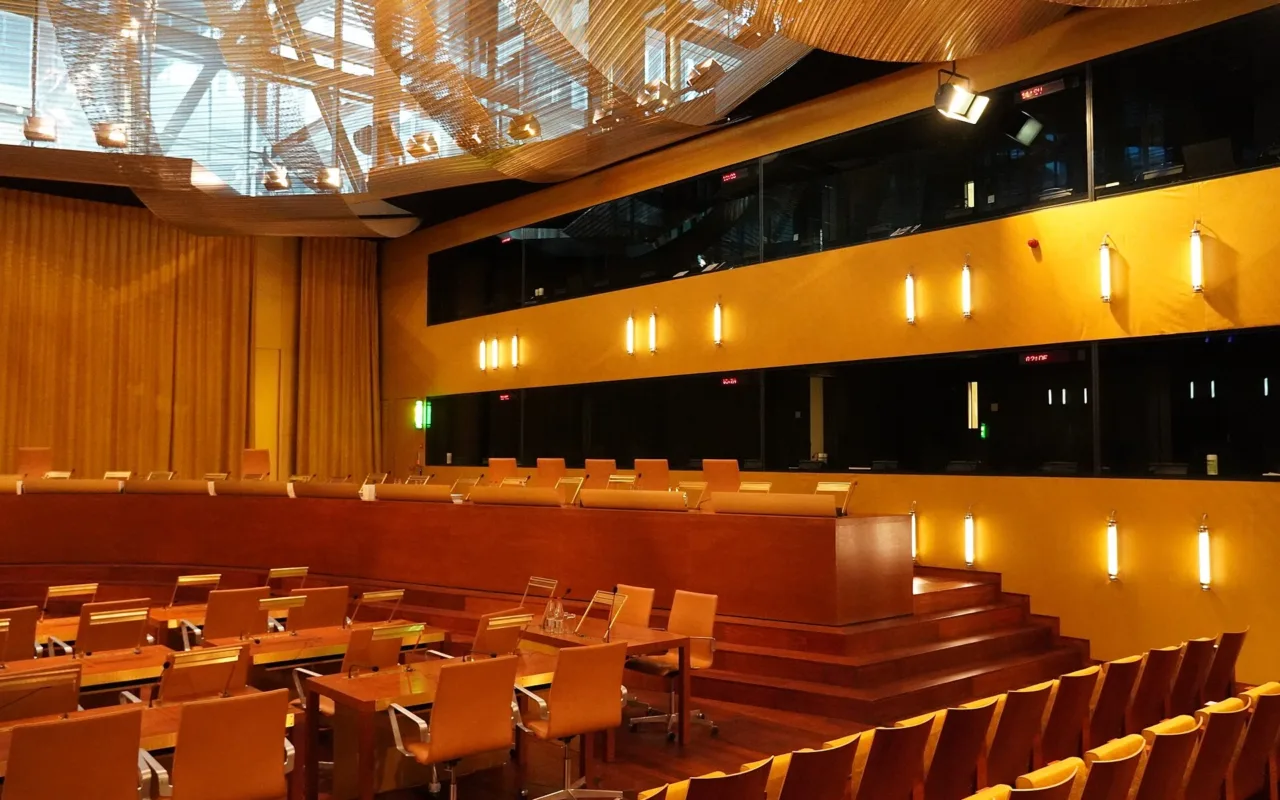
Illustrative photo : Isderion / Wikimedia Commons · CC BY-SA 4.0





Comments 0
Comments are closed for this article.