








In France, the exemption ceiling for the transport allowance is temporarily raised to €1,000 for amounts paid by the employer between 1 October and 31 December 2026. Service-Public details this measure in a publication dated 24 October 2026, against a backdrop of rising fuel prices.
This is an exemption limit for employer payments, not a €1,000 benefit automatically granted to every employee.
An allowance that remains optional
The transport allowance may cover all or part of the costs incurred between the employee’s usual home and workplace. It applies to fuel expenses and, under its general framework, certain charging or refuelling costs for electric, plug-in hybrid or hydrogen vehicles.
Its payment remains optional for the employer. The arrangements are defined by a company or inter-company agreement, failing that by an industry-wide agreement, or by a unilateral employer decision when no industry-wide agreement exists, after consultation with the social and economic committee if there is one.
Looser conditions for fuel expenses
Service-Public states that eligibility conditions are also eased for amounts paid up to 31 December 2026. This easing is strictly limited to fuel expenses. It does not apply to the charging or refuelling costs of electric vehicles or to the sustainable mobility package.
More specifically, Service-Public notes that under the ordinary legal framework, the allowance related to fuel costs cannot be combined with the employer’s mandatory reimbursement of public transport subscriptions, and that it is intended for employees who are required to use their vehicle to get to work. These conditions are changed until 31 December 2026 for fuel expenses only.
The increase in the exemption ceiling and this easing of conditions are therefore separate measures. Their scope should not be confused.
To find out what payment may be available, an employee needs to check the arrangement chosen by their employer. The exemption ceiling does not, by itself, determine the amount paid.
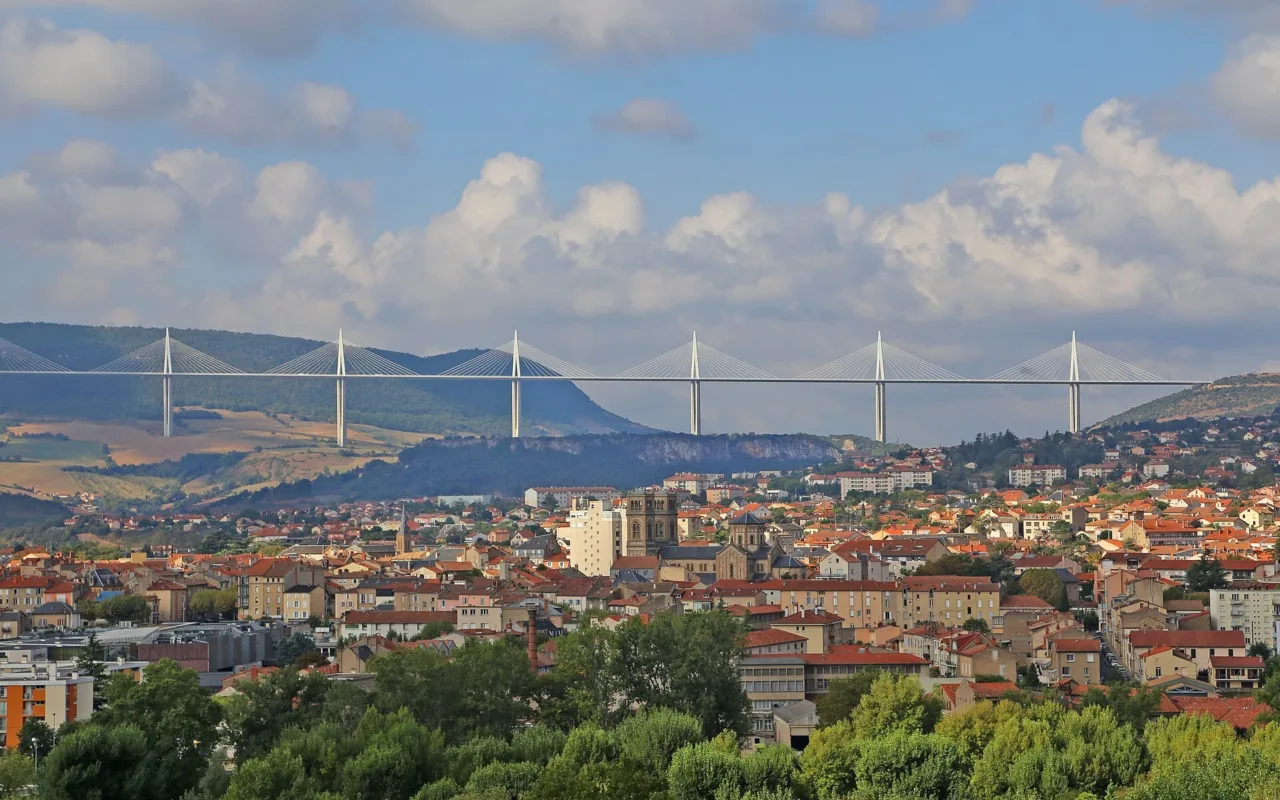
Illustrative photo : W. Bulach / Wikimedia Commons · CC BY-SA 4.0



Comments 0
Comments are closed for this article.